





Get OnDemand Recruiting Help
We have all of the OnDemand recruiting solutions that you'll need to hire top talent while also saving money.
Top Employers Who Trust Our Recruiting Solutions
We help employers from startups to the Fortune 500 hire qualified job candidates faster with our OnDemand recruiters and solutions.






OnDemand Recruiting Solutions
-
OnDemand Recruiters
Our OnDemand recruiters make it easy for companies of any size to scale their hiring teams with our network of expert contract recruiters. If you have no internal hiring team or need to increase their bandwidth, our recruiters can help you easily scale your team. -
OnDemand Sourcing
Recruiter.com’s OnDemand sourcing helps you source warm candidates to speed up your hiring process and take the strain off your recruiting team. If you don’t have enough candidates in your talent pipeline, we can help you find qualified candidates while also saving money. -
Mediabistro
We are the leading source of hires for top publishers, content marketing teams, news organizations, streaming services, video teams, and more. Instantly reach the best candidates in the media industry on our creative professional's job board. -
Recruiter Job Board
Whether you’re a recruiter or a hiring manager, our job board for recruiters can connect you with the best full-time talent. Regardless of what type of recruiter you’re looking for, you can connect with them here!


Discover how FIRST filled 114 roles and saved 55% in fees with Recruiter.com
FIRST is a creator of innovative and interactive experiences to allow consumers and brands to interact in unique ways. Their business requires quickly scaling large teams of diverse roles from technical to operational talent. Recruiting is mission critical. They are unable to support their clients if they can't hire fast enough.
Find out how Recruiter.com helps them build a predictable and scaleable recruiting engine, all while saving significant costs versus other recruiting options.
People-First Solutions
Recruiting ultimately comes down to people, and we have a great team of contract recruiters that can take the strain off of your internal teams.
People are the focus in every part of our business, whether it's contracting with our expansive network of recruiters or using sourcing technology to find the right candidate.
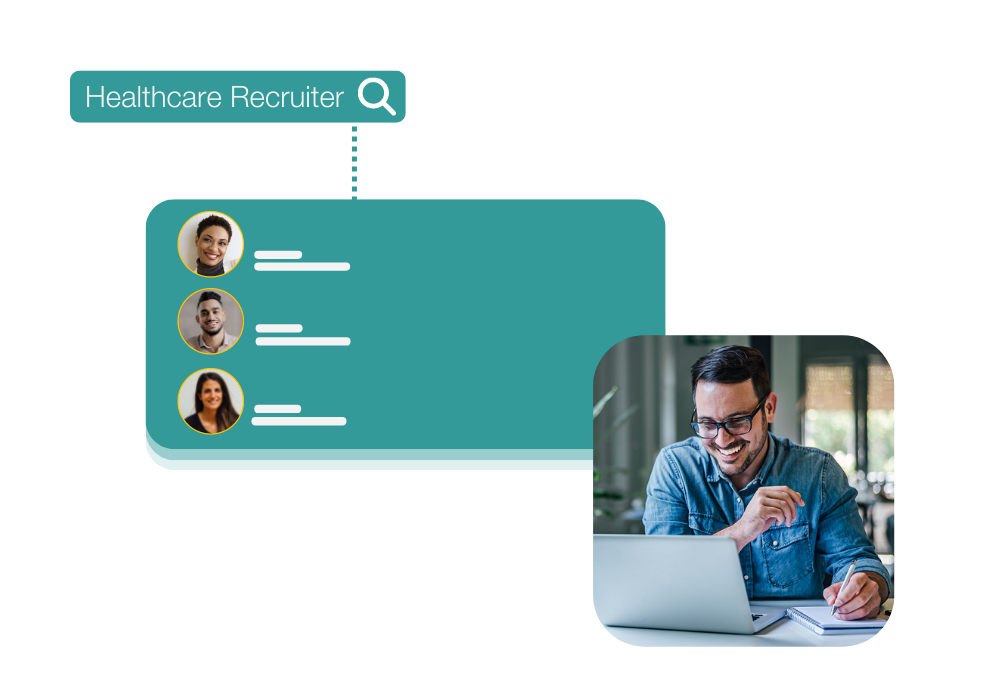
Fast and Flexible Recruiting
In an ever-changing labor market, companies need fast and flexible recruiting solutions to address their hiring needs. Our agile recruiting solutions can help your company be flexible enough to find top talent.
With month-to-month commitments, we can deliver contract recruiters within 48 hours, or send a pipeline of amazing candidates in 7 days or less.
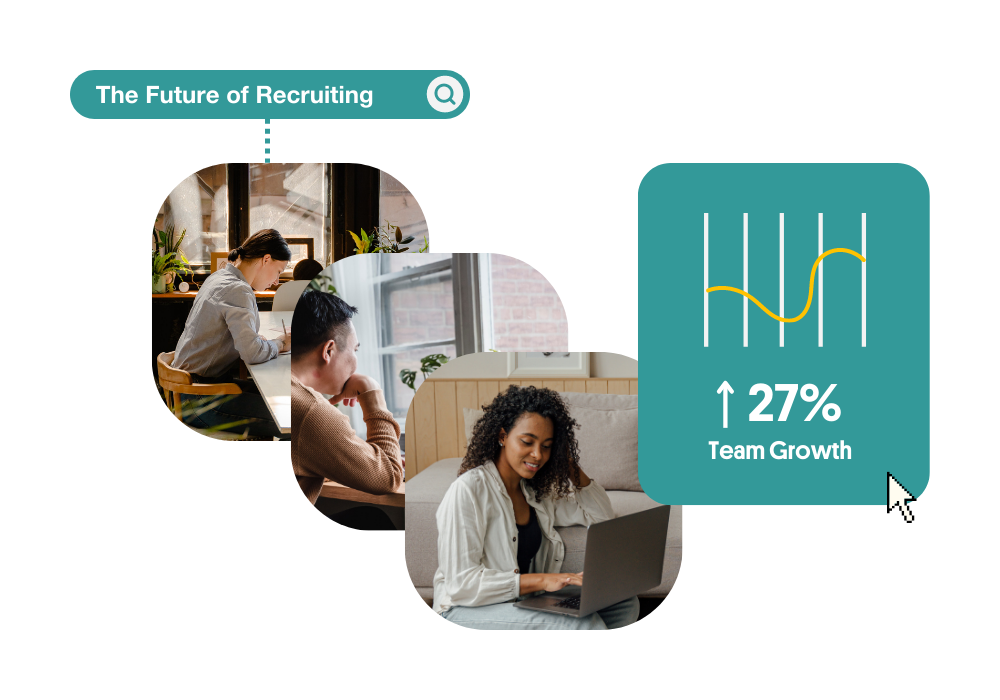
Future of Talent Acquisition
The future of recruiting is changing. We're at the forefront of the new agile recruiting model and can offer you flexible recruiting solutions to get your company the talent it needs.

We needed to hire a large volume of licensed therapists from all over the country, but didn’t have the resources, so we partnered with Recruiter.com. As a result, they have delivered over 300 candidates per month and over 85% of them have been qualified.

Recruiter.com augmented our team with between 10-18 recruiters over the course of our 3 months partnering. Together, the team made 140 placements. It was a positive experience and we continue to partner with Recruiter.com today.



-
.png) 9 Best Websites for Finding Talent
9 Best Websites for Finding Talent -
.png) Top Tech Company to Watch
Top Tech Company to Watch -
.png) Top 35 Most Influential Career Sites
Top 35 Most Influential Career Sites
Get OnDemand Recruiting Help Today
Our vetted recruiters can be up to speed and ready to get the job done by next week.
Recruiting and Hiring Solutions
Discover more about our recruiting solution for employers, executives, hiring managers, and internal recruiters. Hear from our recruiting solution clients and learn more about our recruiting software plans or get help hiring from a professional recruiter with Recruiters OnDemand.

Recruiter Information
A recruiter's work is never done! Through our blog, Recruiter Today, Recruiter offers companies tools and resources for successful recruiting and hiring, with tips and best practices to help find potential candidates and engage top talent.
Career and Job Seeker Resources
Find professional career advice and tips for job candidates in our blog, Recruiter Today. We regularly feature resume tips, job trends, and communication advice to help you find jobs and make the most of your professional success. Explore our tools for salary and career information to help you land the perfect job.